Book review by Eric Griffith
December 18, 2001
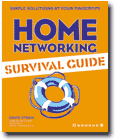
Author: David Strom
Publisher: Osborne/McGraw Hill
Price: $24.99
Pages: 284
ISBN: 0-07-219311-5
David Strom knows technology. He was founding editor of Network Computing magazine and has been writing about computers and networking in publications such as Windows Sources, Byte, Network World, CNET and others for a long time. He also puts out a regular, free e-mail newsletter called Web Informant covering networking, the Web and more.
Having received Web Informant for years now – since the days he tried to put it out with “push” client software – I was excited to see his take on the world of home networks in the Home Networking Survival Guide. For anyone breaking into the world of routing DSL connections, sharing files and printers, and worried about how to protect against hackers, this is a great start.
Just don’t expect to get step-by-step instructions to hold your hand through the process. Such guides are next to impossible due to the fact that copy is written months before the publication date, and any specific products covered could (and probably should) have been be replaced; the companies who make the products could be gone, and so on. There’s a little disconcerting information here, including the mention of the MaxGate UGate 3200-P router (the parent company has gone belly up). Coverage of Windows XP is minimal, and being for newbies/consumers, Linux is no where to be found (except for a brief suggestion that those familiar with the OS could set up a Linux firewall to help restrict Web access, though there’s no explanation how to do so).
The book is organized in a ground up format, starting with wiring, then moving to basic file and printer sharing, and the issues of Internet connection sharing with the emphasis on using hardware “frhubs” (see below) over Windows built in ICS. Background information comes in small bits – details are best found elsewhere — on doing such things as tracerts or IP routing. Strom moves quickly on to security and tracking your family’s use of the network.
Being written for the consumer (i.e., the “dummies” or “idiots” guide audience), the book is filled with little asides and tips and many a footnote (some of which, I must say in the interest of full disclosure, mention PracticallyNetworked). Most are useful and handy, but if there’s anything that bugged me throughout the book it was Strom’s constant use of the term “frhubs” to describe firewall/router/hub combination devices. The industry is packed with enough confusing terms without adding a new one to the mix, and a sidebar better explaining the differences between routers, hubs, switches, firewalls, et al. would have been welcome.
The book is rounded out with appendices by other authors, covering Windows networking problems you might encounter, securing yourself against file associations that viruses can hide in (useful information though a stretch for a networking book), and a case study on wiring a new home for full networking in all rooms.
While the timeliness of product reviews means you’ll still need a magazine or Web site to point you to the best products available now, Mac and Windows users just getting into networking will find this book a good starting point for figuring out what kind of products you need to get going.